How Serbia changed this wealthy foreigner forever
Now Playing
How Serbia changed this wealthy foreigner forever
Transcript
809 segments
I lived there for 8 years with a Dutch
girl, but I cannot remember one day
because it was all so harmonious and
nice and cool, polite and here you can
have the biggest fights and after that
the best sex. There is some amplitude in
your in your life that makes you feel
more alive.
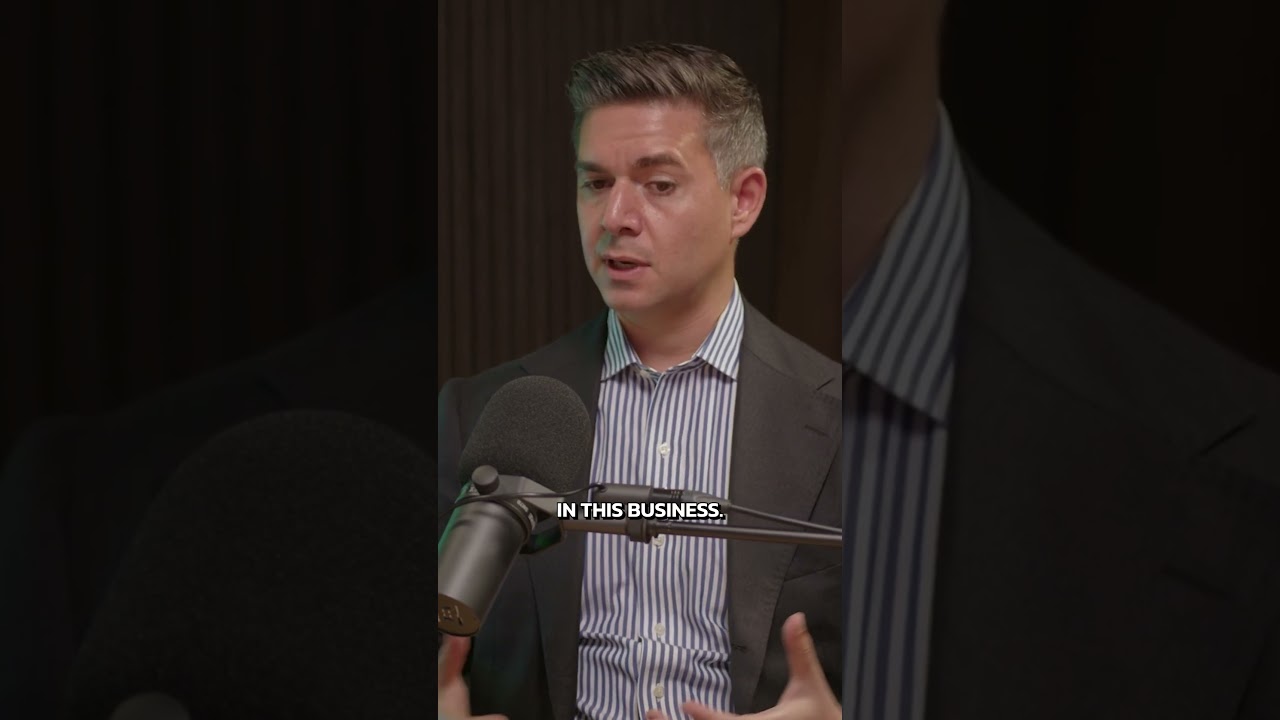
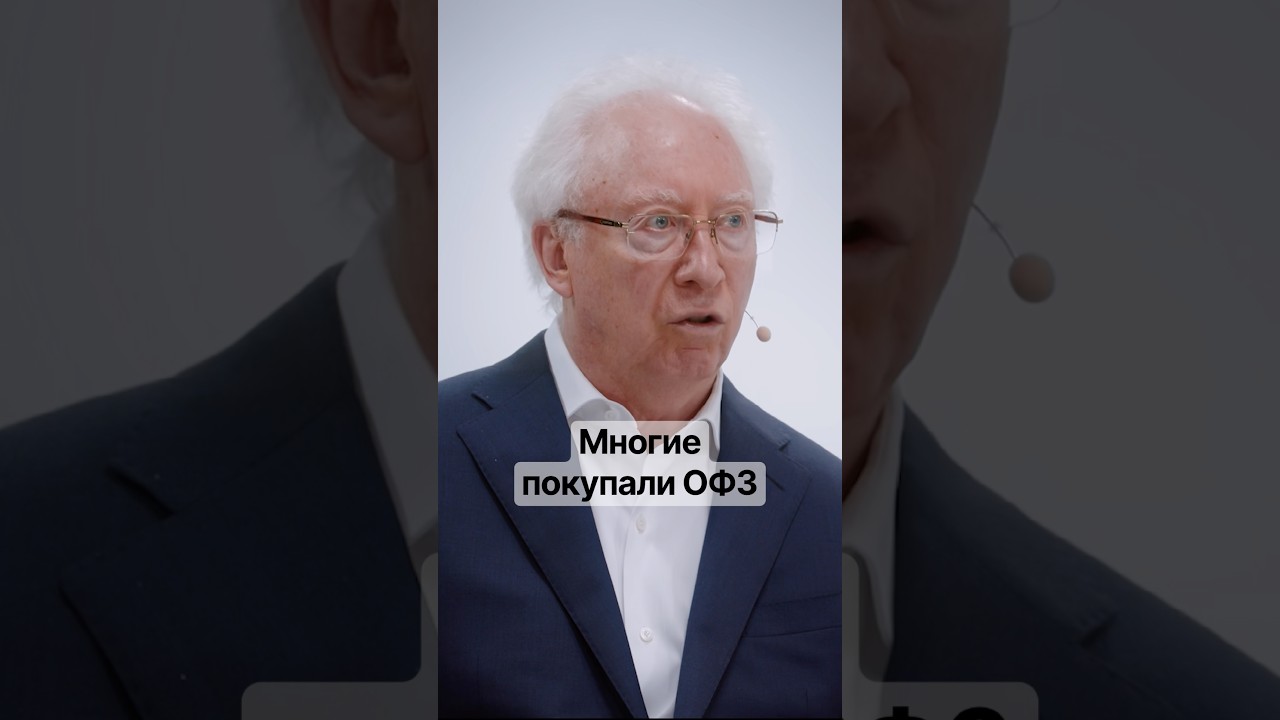
>> Meet waterhilling born in the
Netherlands in the late '9s. He was the
head of Univer's Balkcon branch and
later held senior roles at several
multinational companies in Serbia. Today
he is the president of the Dutch Serban
Business Association, married to a
Serbian wife and does marathon swims in
the Saba. He shared how a trip to
Helander literally saved his life. How
Drafka Church almost became his kum and
why he considers Serbia a rich country.
Imo I went to Hillander. Helander is a
monastery on Atos and we went with a
delegation of Serbian businessmen. We
came in the monastery 2 hours service
you know religious standing
>> and no joking at all during these you
know not even during the meals when we
were talking then some priest would come
by and hit on the table quiet you're
very religious all day but then in the
evening you sleep in some kind of not
barracks but but you know you have these
bunk beds where where two two
>> I was with a was a friend and and then
next to us were two some kind of
bodybuilders uh
with one had a huge you know Orthodox
cross the tooth over his whole back. Not
people you regularly meet but when
you're there together you start talking
about some very non-religious subjects
you know after the whole day being so
you need to have some balance in your
life. So we had all the sex, drugs, rock
and roll, you know, cars, motorbikes,
and after a week with this week, you get
kind of you get bonded. You know, you're
in the same situation, but not in a way
that, you know, I would never exchange
numbers or meet up again. But you know,
fast forwards 10 10 years, some
beautiful girl asked me to go out to a
certain club. I was single, so yeah, why
not? Pretty soon when we came into that
club, I already felt that that, you
know, something is fishy that she wanted
to show up with with me, some foreigner,
you know, just to make some future or
ex-boyfriend jealous or there was one
guy that immediately started aggressive
to us. We were in some kind of a how do
you call that? Sare and I saw he had a
gun. So I started already to say, "Okay,
one drink and we leave because this is
not going anywhere." But it was getting
really, you know, nasty. And I saw that
he was not alone but with some other,
you know, bad guys. And uh I felt so
uncomfortable. I told the girl, "Please
call security because, you know, we need
to get out of here and we can't leave.
They're not going to let us leave." So u
and you know, it got so harid in the
end. I asked the waiter, "Please call
because she didn't do it." Then two guys
come in from security and that is an
awkward moment because I'm not a regular
at the club. These guys look like they
were. So they'll choose their side not
not my side. So you know if anybody and
then the guys come say hey these guys
from the monastery.
>> Wow.
>> Incredible security.
>> Yeah. Yeah. So
>> wow. So in that sense you could say that
you know visiting London saved my life
that
>> we have kind of compatible minds the
Dutch and the Serbs we are able to make
fun about our own situation. When I
lived in Greece the Greeks take
themselves very serious. Yeah. So if you
make jokes about them which we joke
about everybody we deal with and and
about ourselves occasionally but in
Greece that's unacceptable. you hear
people, you know, laugh about it and
and, you know, do better and return the
favor, you know. So, we're compatible in
that sense and also in a very European
way of of of of doing business. Other EU
member countries are sometimes less in
that direction. We have this this thing
of full transparency. fool is is you
know uh disputable but but you know the
principle is that if you and I are in in
in a are making a business deal it's my
responsibility
that it's interesting for you because
only that way we can make a long-term
deal something that works you know and
that it's interesting for me of course
but you know that is kind of you know
the beginning of everything serves have
that thing of finding a way to make it
interesting for both parties yes there
are differences but the basics
are European
>> and what is the biggest difference do
you see in war work culture?
>> Well, what we're doing now, you know,
drinking coffee and and out of the
office, that is completely different in
in Holland. Everything is uh is
organized, planned. You lose the
flexibility and I think my quality of
life here is I think better than in
Holland. It's also because you learn
>> over the years what what what is really
valuable for you. I have an old mother
uh that I I like to visit uh as much as
I can, but I can't always plan my visits
to uh to Holland weeks ahead. If I have
some free time, I want to call friends.
Well, I spend my time with my mother. I
have some hours left and say, "Let's
call a friend to uh so you call your
friend. If you get him on the line
already, that is a bonus." And I get
answers like, "Ah, you know, today is
Tuesday and on Tuesday I go to the gym."
That is, you know, kind of insulting. I
say, "Dude, I skip the gym when I'm not
here every day." But, you know, you have
to feel that you have to start
justifying how important you are to him.
here in Serbia. If I want to see anyone,
no matter if that's a big, you know,
captain of industry, owner of a big
company or or or I don't know, God
himself, after 10 minutes, we were
sitting somewhere drinking coffee. And
there's a downside to that as well, of
course. I mean, the fact that you
sometimes have to wait for somebody for
a meeting.
>> That's because he met Walter on on the
way and wanted to go for a coffee. But
in principle that's I think uh the main
thing a kind of a flexibility and we
have to be careful here
>> that we don't lose that as well.
>> Do you think Serbia loses is losing it?
>> I think with introduction of more kind
of you know professionalized meeting
planners and things like that the
flexibility goes down the drain. The
thing that we value most so you have to
be careful to to to find a balance. The
beauty for me in in in Serbia was always
that you can and have a quality life in
terms of of you know going out, eating
and do business at the kind of a level
of professionality that is satisfying
for for yourself. In
professionalization, you can also go too
far that everything becomes you're not a
machine. We need to feel happy. We need
to feel motivated in what we're doing.
And you need to do the things you do
with some love, not just produce,
produce. And it's it's not all in
numbers. If you do business in Holland
or in any stable market, a lot of
factors you basically ignore. You really
as a kind of a top sporter, you know,
changes his tolerances for pain in in
business. You you change your tolerances
for all these things that you say, okay,
you have to be more alert on on more
much more factors to to to play it good.
So in that sense, it was interesting. We
had I say in the five years of uni liver
I had more history happening economic
and also political than than than in 50
years in Holland. We had you know
hyperinflation we had change of
government kind of you know revolution
style change we had you know the prime
minister killed
>> we had bombing NATO bombing 99
>> you were here.
>> Yeah. Well that was another story. I got
a call from the the president of
Unilver. Unilver at the time had
300,000. So he doesn't call everybody
every day. You know, it's trouble when
he calls. So you start, you know,
spraying your numbers and your your uh
your results and yeah, I know all that,
but uh I hear from your bosses that
you're not planning to close the office,
correct? Because you know, after three
times, I finally got it right. Now, as
you can see, we're going fine. He said,
"Well, look, we have information that
things are going uh to happen. We can't
take the responsibility for you to be in
the country. This is the deal or you
leave the country or you leave uni
liver." And then the deal was to to be
responsible for Serbia, but from
Croatia. So, I got responsibility for
Croatia as well, which was also a bigger
market at the time. And um you know, big
corporation. So, you know, bigger car,
bigger house, bigger bigger salary. So
you know kind of an offer you can't
refuse and I moved there
20th of March and 24th of March the
bombing started and I had to travel a
lot back to Belgrade of course you kind
of felt embarrassed at the border how
friendly they were you know you come
with your passport just NATO passport so
you expect
>> yes
>> you know some some some comments at
least or but nothing you know completely
professional sorry you know excuses that
uh we you have to wait a bit because we
have to check with Belgrade and it can
take 20 minutes. Go have a coffee there
and uh I'll bring your passport when
we're finished.
>> Things like that. And then you come to
to cuz you were watching I don't know
what we were watching CNN then in in
Croatia. You see bombing and everything,
you know, terrible. The the world is
burning. But then you come back in
Belgrade and all your friends are in the
coffee places. So the picture you get
from the media
is always a bit
>> distorted. Yeah. No, no, because coming
from Holland, you have, you know, an
idea about the Serbs there. You know,
Serbia is war. And then you come here
and you see the most polite people.
People greet you on the street. You have
good conversation. They love foreigners.
They don't hate foreigners. And also,
it's a very good filter because I for
work, I mean, I've been in many they
sent me to to to many beautiful places
so far. I was in Indonesia, New Zealand,
Australia. And of course your friends
visit you but it's always a bit
corrupted in the sense that you know are
they visiting me or are they visiting
the country that I happen to be in.
>> Yes. Yes. Yes. Yes.
>> At that time definitely not. You know
Serbia was not regarded as a touristic
place. So it's kind of a nice filter
that you say somebody visited me in
Serbia is coming for me.
>> But having said that everybody that came
that time came back later on as well. So
they love Serbia.
>> Serbia. Can you remember what was the
biggest shock for you back in '90s when
you just came to survey?
>> Maybe the traffic that was uh you know
the complete uh chaos
>> chaos. But then after that when I moved
to Nigeria then I
>> was more chaos. Well, no. I' I've seen
chaos. You know, in the Far East, cities
can also be chaotic, but uh the
aggression, but you you adapt, you know,
you uh my my friends when they first
came to Serbia and they saw how I drive,
they say, "Dude, you mean you can never
come back to Holland. You'll lose your
driving license in the in the first 5
km." that forever that is the other
things the greyness and the air
pollution and uh that that was and
that's still
uh an issue.
>> This is because Holland is very colorful
country so you in Amsterdam you have a
lot of colors.
>> Yeah. Yeah. Well, Amsterdam became a bit
of a Disneyland but Poland can be highly
depressive as well. I mean we have no
mountains. So you have many times that
you're you're you know if there are some
clouds that they stay there for 3 weeks.
a low hanging clouds that you for 3
weeks you don't see a hole in the sky
that is uh that gets to you in a way
here you will always have some mountain
that that somehow compact and then there
will be some rain and some bad weather
it's a bit like the minds of the people
as well my ex-wife was Greek my wife now
is Serbian and I lived with a Dutch girl
as well it's a completely different
mentality I lived for 8 years with a
Dutch girl but I cannot remember one day
because it was also harmonious and nice
and cool, polite and everything. Then
here, you know, Balkcon, you know, you
know what I mean? You you you
really uh you can have the biggest
fights and after that the best sex and
then then you know that there is some
amplitude in your in your life that
makes you feel more alive. You you you
feel that you live. That's also how I
met my uh my my wife through a role in a
movie in fact.
>> Really?
>> Yeah. Yeah, she's a producer. Well, now,
yeah, now I get get more and more uh all
minor roles, but some some uh
appearances more than than a role.
>> And most of the time I'm some Nazi or
some some German. So,
>> it's strange because I consider myself a
very nice person, but I always get these
bad characters that
>> How did you get your first role? Well,
that's how I met my wife in fact that
they needed somebody with a well at the
end of the day with a Dutch passport.
They were looking for some director of a
foreign company and then uh a girl that
uh worked with my wife remembered me,
called me to say, you know, do you still
have that uh big car? And
that's how we met. And then well when we
found out that it was uh serious we we
didn't waste time. 2 years later we had
two daughters
and well then you start thinking yeah I
mean who are you fooling that you're not
married now? So so then we got married
afterwards. It was quite the procedure
in fact to get married as a Dutchman to
a Serbian girl. I think on purpose they
complicated that procedure be because of
uh you know to avoid fake marriages and
and things like that. So not only on on
the Serbian side but also the procedure
is quite complicated at the Dutch side
as well. And you always have that moment
that
there's one document missing and my
document had to come from Greece and at
the time I was flying up and down a lot.
So I knew all the people that were
regulars on the plane and I asked yacht
air Serbia representative is there any
of my guys my you know club on that uh
on the plane today that they can bring
that paper for me. Do you know Draco
Chich? I know Draco Chol the singer but
this is definitely not not him. Yeah,
that one. I'll give it to Zrafco and you
guys uh here's his number. You guys
communicate uh
>> to uh pick it up because he's not coming
out of the regular gate but you know to
avoid and then we met in a restaurant at
the airport. We spent 5 hours just you
know talking drink because you know how
how it goes when you're cholich you
don't order basically in a in a
restaurant. You're you're sitting
>> and then drinks are arriving because
everybody sees
So, so we had a we had a tough job, you
know, digging through all these beers
and then uh
>> but it was it was beautiful, very nice
person, very warm and and and open. It
shows, you know, the people have, you
know, true interest and no vanity in
terms of you I'm the big star and where
you very nice
>> and he took your document and
>> he took my document, brought it to me
and uh no, we got married in the end.
>> Have you asked him to be your crew? No,
no, I haven't. No, that would be the
best. Now you give me ideas.
>> Shortly after I met my wife, my
motorbike got stolen. I had a beautiful
motorbike. I parked it under the cameras
to be sure, you know, that it was safe.
Everybody told me there's no chance, you
know, that uh that you will ever find
that back. But the police did their job,
you know, miraculously. Okay, you have
to kind of find the context and make
clear that that you know make you make
your case that it's very important that
you get that motor bike back. And uh
that was even on TV that case that they
found it after 2 months. But I still
have the bike.
>> The same bike
>> and you you can't you couldn't imagine
it in ' 90s or beginning to 2000.
>> You have to somehow give it to make sure
that it gets priority by shouting big
names and that is the
>> but you know systems are in place.
That's what I want to say. I think the
police can pretty much do everything
once they see it as a priority. How did
you earn the trust of Serbs? Is there
any life hacks?
>> Well, no. One thing is is is to show
true interest. Learn the language. The
serves at the moment that that you show
the willingness to speak their language,
you will get all the support.
Foreign
speech. Foreign speech. Foreign speech.
Could
you please pass me the sugar?
>> Uhhuh.
>> Deter. It's the way they use it. And of
course they all know me. You can say
Well, the adobium set
for me it sounds a bit harsh uh every
time I you know I cannot get used to
that even if you're direct you you stay
polite when I was in IMLAC I signed the
sponsor contract with partisan
we had this thing that's called
collleium that is um a kind of a meeting
you have as all the managers and dairy
business is a you know early hours
business everything you sold until 7:00.
What is not in the supermarket at 7:00
is not sold that day. So, it's it it's
very early. It's we had this uh and I'm
not an early morning person, but I was
always there in time. Then I signed with
uh Partisan 2 years uh church sponsor.
That day after I uh signed with
Partisan, I came in and nobody greeted
me. Good morning everybody. Not a word.
So I saying to myself, "Good morning,
Mr. Vaning.
Good morning boys." And still nothing.
They were old guys, but very nice guys.
Director of productions at him.
You signed with the
Partisan.
Yes, I did two years. And but don't you
know the team like is already 50 years?
I said, "Well, I didn't know, but I know
that it's part now, so uh let's get on
with it." But no, they they brought that
to the highest level of the owners. Uh
that I in the end I had to sponsor the
same amount that I gave to Partiton to
Sylvester basketball
club to uh to level that out.
shirt sponsor of of a football club is a
is a good investment if you see at the
exposure every day in the newspaper we
can see now there will be some partisan
shirt in the newspaper whether there's a
match or not there will always be
something about that
>> I'm thinking that uh many economies many
countries have like a basis for the
economy one basis for example for Russia
it's oil for China it's manufacturing
what do you think for Serbia would be
such a basis for economy.
>> No, Serbia is a rich country in terms of
minerals, in terms of agriculture if
they use that in the right way. Whatever
you have, it becomes a question, can you
make use of it in a sustainable way and
then do something good for the country
in a broader perspective than than just
a short-term gain.
>> So, agriculture could be such thing.
>> Agriculture is is big and there's a huge
potential. Well, I see that also in you
know Dutch companies although the the
big companies we have here are are for
instance in retail deault deault is the
owner of Delaza is a Dutch company. So
all the the Moxy and Shop and Go are
Dutch company but you know Moxy is a and
they're I think they're the biggest
private employer at the moment that they
more than 15,000 employees. So it's
really a you know big player and it's
funny to see then that that with you
know these margin caps I don't know if
you follow that that they basically have
then a big investor you have a big
investor that that does play it
completely by the book uh pays all the
taxes employs so many people uh and then
you make their life difficult. It's not
very inviting for for for yeah because
my job as a president of this business
association is to to motivate investors
to come to Serbia.
>> How do you pitch Serbia for foreigner
investors?
>> A lot of opportunities not only in what
traditional was of course lower labor
cost. I don't know how sustainable that
is in itself. You want to to to raise
the standard of the people working here
as well. You cannot mention lower labor
cost and and and more foreign direct
investment at the same time. If you
don't offer something else, we should
move away from that and then stress the
other opportunity like like you know a
highly skilled labor force for instance
that you know you have people with very
good education in engineering,
electroengineering but also you know in
other other fields. motivated people
that are, you know, eager to do new
things, eager to travel because at the
end of the day, finding the right people
is is is key to any business.
>> There is a word for companies which
costs $1 billion they called unicorn
companies.
>> Yeah.
>> What do you think uh should happen in
Serbia that Serbia could grow a unicorn
company?
>> Oh, it has has the possibility already.
I mean there's uh look that that sounds
like you know it and things like that.
>> Yes. Yes.
>> And it Serbia has
fantastic possibilities. First of all
education at that level is is fantastic.
Also more and more companies see that.
So there will be huge possibilities. I
mean from Dutch side we have a lot of IT
investments. Companies like Levi 9 but
also smaller ones. Enigma 3, BIT. there
are, you know, there's some uh very
successful companies that are operating
and especially between Holland and and
and and Serbia that but I don't know if
you know about companies like nothing to
do with with with with Holland but
Soulflare for instance that you they
have this it's basically a Solana wallet
crypto wallet.
>> Interesting.
>> They had and they're from Novisad.
They're they're a relatively small
company, but at times they have like the
funds that they have on the on their
wallets is between 80 billion 120
billion, but that's one and a half time
the Serbian GDP.
>> Yes.
>> And it's bigger than the country. So
yeah, possibilities are there. Uh but
that's okay. That's not the company
doesn't own that money, but they handle
that. They made this possibility now
that you that you can take with your
credit card, you can take your crypto
into cash. There's no reason why Serbia
couldn't have a unicorn company.
>> From my point of view, as a content
creator, Serbia is very small country.
It's like six million people, 6 8
million people. I perceive Serbia rather
than uh as a very good base for doing
international business.
>> In a lot of businesses, the the actual
geographic location becomes less
important. still this openness to to to
all the other markets is is important
but especially because of that I think
there's work to be done in in you know
getting these row of trucks finished at
the border I don't know if you're aware
of of you know we have problems with
with truck drivers that that spend 3
days at the border these three days add
up so at a certain moment they have more
than 30 days you have on a on a
temporary residence permit you limit
their possibility to work especially in
the electronic age you would say that
that you know that that must be possible
to solve that okay work has been done on
that but it's going slow too slow I mean
every day lost at the border for a truck
driver is a waste and that's also
determines what kind of products you can
even bring to EU
>> why do you believe in survey
>> privately I I really think that my
quality of life here is is is better uh
than what I would get in Holland or uh
in another country, but I miss the sea.
Here, I hardly swim. I miss the sea.
There's one thing if I miss one thing in
uh in Serbia, it's the sea. The river
cannot replace that. I I did one race.
I'm a marathon swimmer. Did I tell you
that or not? When I lived in Greece, we
had these beautiful races, you know,
between islands and u I swam the Toronto
Golf two times. It's a 26 km race. I
realized when I moved to Belgrade that
in fact my whole life I was next to the
sea. When I look at the sea and you
breathe the sea you see you know the big
nothing
then you feel that and you know that all
the trouble and all the work and the
stress is on one side and the rest is
there. It's clear
>> and you swim only in open water. Yeah.
You don't swim. Oh, I you know the
trainings are also in Greece. I was
living and next to the sea and next to
the swimming pool
heaven the morning trainings are are
famous that you go you know nobody in
his right mind wants to to go to a
training in the morning. So you need
that to do that on the routine. So you
go, you're still sleeping, you get out
of your bed, you have your stuff ready
the night before and then you dive into
the water and then you realize, oh, you
know, and then you wake up awake and
then you do your training. You really
you start your day completely different.
Here I I did some race. I did 19 km in
the Sava. It's beautiful because you you
u the Sava has some 3 km an hour its own
speed of course the stream of the SA.
And most of the race you're you're
swimming and you see the the the you
know that you're moving because you know
you have this 3 km per hour extra and
then the last bit you come around an
island and you have to swim back to the
to the bridge but you go upstream then
and that is I think it's a kilometer or
so or you think okay I'll start my
sprint to to to the end to to uh give
everything I have to them and then 10
minutes in my sprint I look to the side
and I'm pretty pretty much where I
started.
>> How do you manage to endure such long
races?
>> Your first kilometer all the pain you
get in in marathon swimming is in the
first kilometer kilometer and a half cuz
you have this buildup of acidity in your
muscle and things like that. But that
comes to a certain level
>> where it's constant and once you find
out that that is it, it basically goes
because you ignore it and then it it it
disappears.
You need to find the rhythm
>> of your arms and of your So you listen
to the water, you listen to your arms
and then the rhythm is stronger than
everything. So I the last race that I
did, I fell asleep.
>> Really?
>> I fell asleep for more than an hour,
maybe 2 hours. The thing is you have
that boat next to you and the boat
basically produces two waves. One at the
front of the boat, one of the heck of
the boat, one of the the the end of the
boat. If you come too close to the boat,
it will suck you in the propeller.
That's not good. We don't want that. So,
and if you go too far, it pushes you
away. And I'm swimming with my if I go
in front with my fingers open
so that you feel that kind of a hill
that you that you can hang on. Plus,
then you have your rhythm. Then you can
close your eyes. You know where the boat
is. You know your position next to the
boat. And because you don't, you know,
your brain takes a lot of energy. So if
you can shut that down, you save that
energy for your muscle. At one time I
nearly died. You're very very tired. You
hardly have any energy. So you go
completely on autopilot, you know, no
brains, no just the rhythm that that
that keeps you going. And then I got a
wave of of uh you know, I got made some
mistake in breathing or some odd wave
and I I swallowed the water. And then I
felt I
was going down. Totally opposite of what
I always thought about drowning. That's
so scary and think it's only beautiful.
You know, you become one with nature and
you completely relax and it's all it's
all hallelujah.
>> How did you manage to get out of this
situation
>> to out of that situation? You you get
you think all of a sudden you get this
flesh. Yeah, but I have kids. I have
this. You need to fight back. You know,
you need to really and then you put
everything together. You know, if I
don't because you in all the beauty, you
realize that there's no way back. It's
very tempting to go there because it's
so beautiful. It's a no. I told my
parents at the time that if I ever go
like that, you know, don't worry because
it's beautiful.
>> Was there any moment uh while you have
been living here in Serbia that you
regretted this decision to stay in
Serbia?
>> Yes, I mean the love for the country
like like you know it goes in waves. I
mean you you sometimes I adore
everything here and then it can be a
month later that I hate everything about
here
that so you have to you know that also
is a long-term process the love for such
a country at times it it is
disappointing to see how how slow change
goes but said you trust the process you
need to it's it's like marathon swimming
you you you just uh need to keep the the
finish line uh
in your mind and and then stay on direct
direction is very important. Stay true
to your values and then know that you're
doing the right thing and then
eventually that will pay off.
>> Can you call Serbia your home now?
>> I do. Yeah, I uh I definitely do. I uh
well found the love of my life here. I'm
very happy uh with my children, with
their school, with the whole with my
neighborhood. I feel at home, home at
home. These things are important. You
just inter human contact. You know, I
know almost everybody here in the in the
cafe because we come here every day and
in the summer it's even more because
we're sitting outside. So, uh these are
my neighbors. You know, we we come here
to, you know, just share very day-to-day
stuff, but it gives you a feeling of
belonging to to, you know, to yeah, you
have a place to come home to. That is
something that in the west maybe they
underestimate the importance of that.
think that we are a bit closer to the
truth here in terms of the importance of
you know interhuman relations that you
have to be caring for each other, share
the love and give that a higher priority
than just the financial gain and and and
all the the hard factors in life. I
think the Serbs have that better than we
do.
Interactive Summary
Ask follow-up questions or revisit key timestamps.
Waterhilling, a Dutchman, shares his experiences living in Serbia. He highlights the "amplitude" of life in Serbia compared to the harmony of the Netherlands, making him feel more alive. He recounts a life-saving trip to Hilandar monastery and a subsequent incident in a club where monastery acquaintances came to his aid. He discusses the compatibility between the Dutch and Serbs in humor and business, but points out cultural differences like the Serbian flexibility in work versus Dutch planning. He reflects on Serbia's turbulent history during his tenure at Unilever and the media's distorted image of the country. Waterhilling believes Serbia is a rich country with potential in agriculture and a highly skilled labor force, advocating for moving beyond low labor costs in investor pitches. He finds a higher quality of life and a strong sense of belonging in Serbia, appreciating the inter-human connections and valuing relationships over financial gain, despite occasional frustrations with the pace of change. He also shares his passion for marathon swimming and a profound near-drowning experience.
Suggested questions
11 ready-made promptsRecently Distilled
Videos recently processed by our community