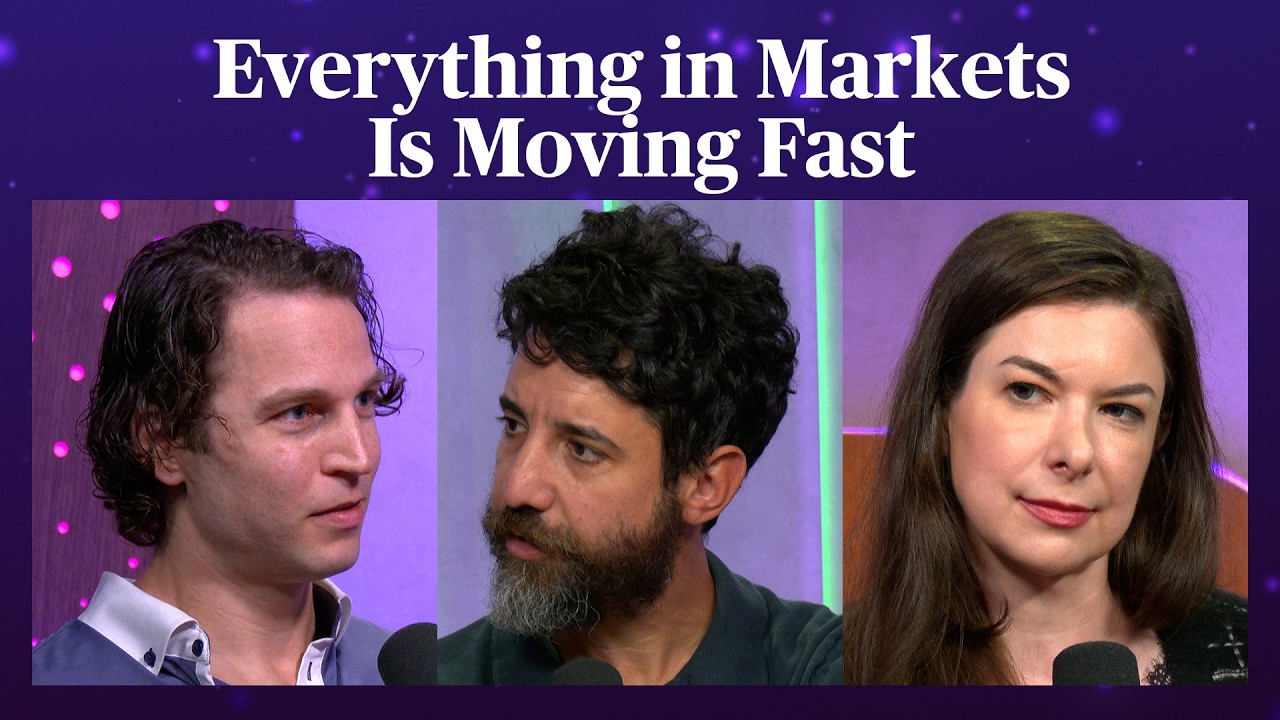
This Former Trader Built A Luxury Clothing Brand | First Time Founders with Ed Elson
Now Playing
This Former Trader Built A Luxury Clothing Brand | First Time Founders with Ed Elson
Transcript
1727 segments
[music]
Welcome to First Time Founders. I'm Ed
Elson. 12 years ago, my next guest was a
Wall Street trader with a problem.
[music] And it had nothing to do with
markets. His problem was that his coat
either kept him warm and looked
terrible, or they [music] looked nice,
but they left him freezing. So he left
finance behind to create coats that
deliver style and performance in the
cold. Fast forward to today [music]
and those coats have become a staple in
the business world. They are known as
the coat to wear to Daros. They're sold
in high-end retailers [music] like Sachs
and Bloomingdales and you might even
recognize them from Succession, but they
were one of the few brands to get a name
drop on the show. Over time, [music]
these coats have gone into something of
a cult following in the quiet luxury
world, and they're becoming big in the
world of finance. This is my
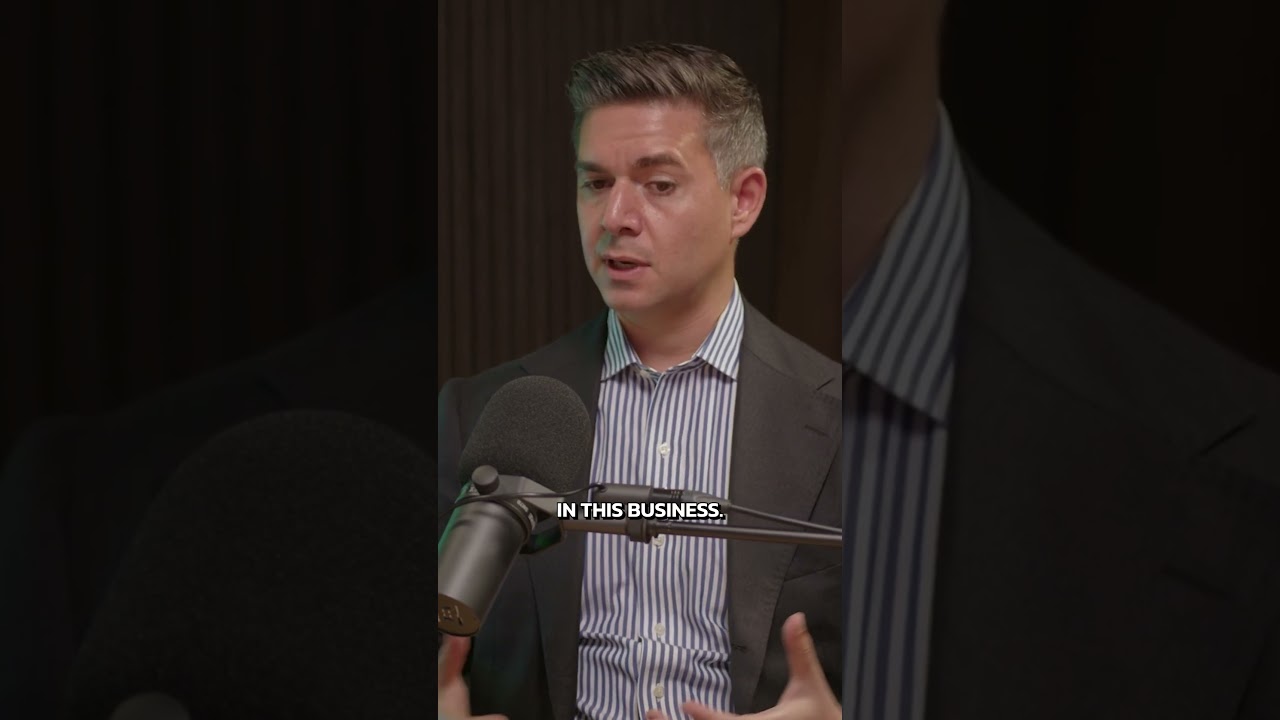
conversation with Michael [music]
Burkowitz, founder and CEO of Norwegian
Wool. Uh, Michael Burkowitz, thank you
for joining me on First Time Founders.
It's a pleasure. So, uh, I want to go
back to the beginning of Norwegian Wool
starting this company. You were working
on Wall Street. Is that right?
>> That's right.
>> Yeah. Tell us the story of how it all
began.
>> Sure. So, um, basically I was a
commodities trader and I was actually
one of the youngest guys in the firm.
So, I was probably extra concerned about
how I was perceived. You know, I they I
had to we'll say I I don't know, pull
some strings, but uh I had to work extra
hard to get into that position. And, you
know, I really always wanted to do a
good job. And if I were to be walking
into a room and making a presentation
for something, I knew I was going to be
scrutinized extra closely.
>> Yeah.
>> And the way I dressed was a was a part
of that. I I I've discussed this uh a
bunch of times that you know a lot of
who you are you're not in control of.
Your height, certain aspects of how you
look, but your clothing you are in
control of. And I always felt that I
should dress in a way that would make
people respect me and and take what I
say seriously. And what happened was I
would come in from outside of the city
into Midtown Manhattan and uh my nice
coats weren't warm and my warm coats
weren't nice. So that that was the
problem that I had that I always felt
that uh you know in the in the workforce
I I wasn't putting on my best by the way
I was dressed when it came to fall and
winter. I was like coming to meetings
and trying to quickly hide my coat
behind my back so people wouldn't see me
or check it in before we would get into
a restaurant or something like that. And
uh so the the cogs start to turn. Maybe
maybe you know I need to find something.
That was where it first started. I just
wanted to find something that looked
nice um that I felt uh I wasn't a suit
and tie guy, but I wanted to look
presentable, not something that was big
and puffy and with branding you could
see from the moon. I wanted something
that looked uh presentable and also
would keep me warm and dry. And that's
how the idea started.
>> So, you're you're working on Wall
Street. How old are you at this point?
>> Oo, early 20s. Early early to mid20s
already. Yeah.
>> Wall Street where I assume you're
getting paid a lot of money and you're
kind of rubbing elbows with the monsters
of the universe and then you decide,
okay, I'm going to go start a coat
company,
>> right? So, it doesn't all happen
overnight. Um, first that struggle
looking and not finding something that
kept on getting higher and higher. And
then actually um a close friend of mine
who we used to commute in a lot
together. His mother-in-law is a very
well-known fashion designer who actually
subsequently has become a real mentor of
mine and he would know about brands I
never heard of. He you know his mom was
selling to Sachs and to Neman's and a
lot of the great places and he would
tell me about things that I never heard
of.
>> And um I asked him uh you know I'm
looking for a coat that's that's nice
that I'm proud to be wearing but also
keep me warm and dry. And he leaned in
and he put his hand on me. goes, "Dude,
when you find one, get one for me, too."
[laughter] So, that started to get me
thinking. This is a guy who knows more
than I do about the various different
brands. And there was no brand that came
to mind, you know, like for so many
other performance plus fashion needs.
Anything from a a Lululemon to an Under
Arour through, you know, um a Villa
Quinn for for bathing suits. Like, who
who's the guy who's taking care of
business professionals who need like
nice looking good quality outerwear? And
that's when I start to realize, okay, if
there's no brand that's really cornering
the space, there might be an item here
and there that's a step in the right
direction, but there's no brand that
this guy and other people would answer
is go get yourself one of these. Yes.
>> That's when I realized, okay, maybe it's
not about a product here, but there's be
a whole brand that could brand itself
around, you know, luxury, performance,
wool, and cashmere.
>> When I think about what are the the
staples of outerear, especially in New
York, and especially in business, it's
like the barber jacket. I mean, everyone
talks about the Barber jacket. Uh, but
as you say, that's your fall jacket. Uh,
that's not really heavy enough. And then
I guess the other jacket that absolutely
just took over, but I feel like is kind
of going out of fashion is the Canada
Goose, which as you say, you got the big
giant logo on the arm. I remember uh
several years ago when that was like the
ultimate flex if you had the Canada
Goose badge. I assume it's not really
the case anymore, but uh you realize
this and you decide to quit your job or
do you start working on this on the side
while you're working in your job? How do
you actually exit out of commodities
trading and get into this?
>> I did not quit my job right away just
off an idea. I um I first tested it out.
I made some samples. Yeah. And I
actually took my nights and weekends uh
in my very busy schedule to go around to
specialty shops across the northeast
Carter, so Boston down to DC and
literally played the role of a traveling
salesperson with a suitcase with a
couple of samples and showed these
stores. And these were stores that were
selling Barber, let's say, on the on the
lower end up through um Zenya, Brunell,
Coochinelli on the on the higher end,
and showed them the idea. And the nicest
thing was I never really had to explain
what we were trying to accomplish. They
all right away nodded their head when I
said the problem and they're like,
"Yeah, we get it." You know, it's it's
it's that Canada goose warmth in
something that looks much more uh
professional and clean and small and
fitted. And so when they started buying
units and they started selling them
without me there, they put it on their
floors. They placed orders and they put
on their floors. And whether we were on
the higher price point or right smack in
the middle or even on the lower end,
they um they sold really well. and was
when they started to place orders for
the next fall winter. Uh, that's when I
that's when I quit my job and lined up
some investment.
>> What is it like actually starting a
business where you're making you're
making things, you're making these
coats, you're creating these materials
like you don't have any experience in
fashion, I assume at this point, how do
you how did you figure that out?
>> That was probably one of the hardest
things. And uh I think for any
entrepreneur who's trying to get in the
world of making stuff when you come in
as an outsider, the factories that you
would want to work with don't want to
work with you. And the ones that are
hungry to work with you, there's
probably a red flag there like, you
know, so how do you get in? Um
>> what would those red flags be? If a
factory says, "Oh yeah, we really want
to work with you." What's what is a
potential?
>> Why are they so hungry for your
business? You're a no-name. They should
be super busy and turning you away. It's
like you want to go to the the country
club that doesn't let you in. Type of
thing, you know? You want to get into
the best quality especially in our world
where it's all about quality. Yes. And
we were making things in Italy and Italy
is a very closed off place for for new
manufacturing and uh a lot of the
business has been there for generations
after generations after generation. So
they're not as excited about a new guy
coming in with an idea. They want
continuity. So in this case it was
really all about convincing the people
we wanted to get with the best quality
places both on the raw materials and the
actual manufacturing that we are there
for real and you know our relationships
grew as we started ordering more and
paying for everything on time and going
through all the trials and tribulations
of life and co's and all this you know
fast forwarding years later but it took
time to really develop that but we had
to really
strategically think about how to
penetrate because there might have been
an item that we wanted. We knew that
existed, but it's hard to just get it.
It's like you can't just place an order
on Amazon for performance cashmere. You
know, you have to be able to figure out
how to get there. And in some cases, it
might me mean going to dinners with some
of these older founders or owners of
companies and talking to them for a
while about their grandkids and their
hip replacement surgery or whatever it
is, but building the relationship and
then getting access to some of these
harder to find raw materials. Yeah, the
luxury space is is an interesting space
to be starting a company because it's so
dominated by all of these legacy brands.
I mean, that's part of what makes luxury
luxury, the idea that these brands have
been around for generations. I think
about, you know, Hermes and uh Louis
Vuitton and I I guess those are really
the two companies that seem to own the
space. LVMH and you got Hermes and you
kind of got everyone else. uh to what
extent do those companies dominate in
luxury? I mean, if you're an upstart and
you're trying to you're trying to get in
the game, are they boxing you out? Is it
more difficult in luxury than it is in
other sectors to really get your foot in
the door?
>> It's definitely harder. Yeah. And um you
you you said it exactly right that most
luxury brands are legacy brands. In many
cases, they didn't even start out
luxury. You have brands like Burberry
that really started out as trench coats
out in the trenches, you know, in in
fighting and became luxury only [snorts]
later on.
>> Um, and very often the luxury, you know,
association it takes decades. What we
were trying to do is everyone was
telling us it's impossible. And they
were right that it's hard, but it's not
impossible. We were trying to say that
for the problem we're trying to solve,
you actually need to be an outsider.
That the people that were really
entrenched in the world of fashion
didn't understand the problem. You
needed someone who actually works out on
Wall Street whether it be New York,
London, you know, Paris, Zurich or
Beijing to be in that work professional
place to know what was missing, what was
the void and to come in and I did have
an understanding of fashion. I always
liked nice things. So I had a little
appreciation for um fabrics and things
like that. So um but you it was
definitely hard but it was because it
was hard and it was because we were
coming as outsiders that we were
actually able to achieve what we wanted
to achieve and we were thinking about
things a different way and we actually
struggled. We were very lucky that um
the factory that we started working with
to develop our our real core collection.
The head designer we worked with out of
Italy was half Norwegian,
>> half Italian. He worked for Laura Piana
for 14 years and um he spent like half
his year in Norway outside understanding
the culture that we were trying to
really bring from like this whole idea
of Scandinavian outdoor living and that
there's no such thing as bad weather
there's just bad clothing. So he
understood the idea of having better
neck protection and better pockets and
you know closures and thinking about the
performance but was also really
entrenched in the world of luxury
fabrics and luxury fashion. So when we
met and we started talking about our
concept, you know, he ran with it. He
understood it and we were lucky to be
able to then get some access to, you
know, other manufacturing and resources
from there.
>> When you think about being in that
position where you're trying to break
into this new world, we're trying to
establish these relationships with
manufacturers, with factories, with
distributors. What would you say are are
the takeaways from what you got right?
You were trying to get your foot in the
door. You did it successfully. you're
now distributing your coats around the
world. Uh for someone else, for another
founder who's out there and they're
trying to just make that first step,
trying to establish that relationship,
what are some things you think that you
got right that allowed you to be
successful in that?
>> Even though when you're first starting,
you're on a budget, there's no cutting
corners when it comes to quality. Yeah.
And especially again if anyone is going
into any sort of luxury space whether
it's our industry of fashion whether
it's the food industry or any other
consumer good show everyone on both ends
on the manufacturing side and on the
selling side that your quality is just
amazing.
>> So that anyone who touches what you're
doing they're wowed by it. And then when
it comes to the selling side, even if
you don't have the legacy brand name
yet, that they're comfortable selling
your product and that the customers come
back with, you know, an incredible
feedback that they're bringing other
customers to their stores to buy this,
you know, item, whatever it is, that
that's gold and that's will get, you
know, that will open up so many doors
when people see that you're actually
bringing them something special. So,
understanding that you you have to be
budget conscious, but not when it comes
to the quality of your product. You
might even have to overpay to first get
it and then you'll bring it down once
you start scaling and you start showing
them that you're ordering larger
quantities and that's when you'll be
able to bring your prices down from your
cost side.
>> Do that later. Right now just make sure
the product's amazing.
>> So you figure out the distribution, you
you figure out the manufacturing, you're
making the coats at this point. The next
question is okay, how do we convince
customers to buy these things? How did
you do that? What was your story that
you were pitching to customers? whenever
we had an opportunity to say what we
were doing and what problem we were
solving, we were in a very good place. I
remember early on um we were at a trade
show and before the trade show would
begin there was a breakfast underneath
uh the building in this uh like
conference room area that would be for
all these stores across the world that
we'd hear presentations from new brands
and I was the new kid on the block so I
spoke last and the brands before me um I
would say honestly were not that
impressive in terms of their problem
that they were solving. I remember there
was one brand that said, uh, they're
making very comfortable shorts. And the
guy sitting in front of me goes, "I
didn't know uncomfortable shorts was a
problem." [laughter] Um, and there was a
couple of things like that. So, when I
got up, I wore one of my coats and
again, everyone was anxious to leave. I
was the last guy to speak, and
everyone's anxious to get to their
appointments. And I show up with real
New York energy. I just start clapping
my hands and waking everyone up and I
say, "Uh, how does my coat look? Does it
look nice?" Yeah. Yeah. I flashed them
open and showed them the whole thing was
lined with down and I said, "By the way,
this is Kashmir on the outside, fully
down lined and waterproof." I got a
standing ovation from everyone in the
room, [laughter] which is something
that's probably never happens in that
type of setting, but it's not because,
you know, um of the theatrics. It was
because everyone felt like, okay, that
is a real problem. We have customers
coming and asking us for stuff that
solves this problem, and we're letting
them leave empty-handed because there
was nothing on the floor that really
solved their problem. So we were writing
orders right then and there from stores
are saying we I already know which
customer you know he came in last week
and was asking for something like this
how quickly can you get it from me. So
that was the starting point just you
know being very very
>> clear about the problem we're solving
and then everyone's nodding their heads
and like we get it. There's the utility
side to it which is always important for
any business, any company. You need to
prove there is a problem. We're solving
the problem. This is the use case which
sounds like you were very clear about.
But when it comes to luxury, there's
there's another piece to it which is
like it's actually not all about solving
a problem. It's about a feeling. It's
about something that makes you feel
special uh dignified. And these aren't
necessarily
use cases. There's there's like a
there's there's a janisa about luxury.
So how do you do that as a startup? How
do you build a brand that demonstrates
aspiration that demonstrates luxury that
shows people this is something that you
want to aspire to and that you want to
pay a lot of money for. What happened
was is that originally through word of
mouth the code kept on getting on people
>> that would evoke that kind of emotion.
So uh and it kept on spreading from that
was dominoing. So when we started being
the main provider to a lot of the guys
going to to Davos, whether you like
those people or don't like those people,
people looked at them as being the real
influential movers and shakers in the
the whole business world and the richest
of the rich, people that could buy
whatever they wanted. And when stories
were coming out and the New York Times
did a whole piece called this is the
coat to wear to Davos and more and more
people were wearing it in places like
that and then we got into different
shows that really needed our product. So
then you start to have that association
uh where I want to be like those people
and that's what those people are
wearing. That's when it it continued to
explode that way and have that luxury
emotion. We always wanted from from day
one that it's not just a coat. It is an
emotion that when you put on one of our
products, whether a coat, a blazer,
anything, it should make your your
shoulders broader, that you go into the
meeting more confident in yourself, that
you go into the date more confident. For
guys and girls, we now do a lot of uh
women's. That's our fastest growing
area. So, it's not just about staying
warm and dry. It's about you're looking
forward. You're looking on your weather
app and saying, "Okay, in 2 days it's
going to be chilly enough. I can't wait
to wear that." That that's luxury when
you're looking forward to doing it and
excited for it and especially you're
excited to be seen in it. That that
changed everything.
>> Yeah. Now, it is the the Wall Street
coat and it is, as you say, the Daros
coat. And I think another big moment for
the company is when it got a shout out
in succession.
>> Yeah. um uh where I I forget which one
one of the Roy says, you know, I I left
my Norwegian wool in there. Um how does
that all happen at once? I mean, what
are you thinking when you see all of
these guys going to Daros, all of these
head honchos of all of these banks, the
people who you were originally trying to
impress when you were a commodities
trader and you're just trying to be
accepted uh on Wall Street, suddenly all
of these guys are wearing your product.
How did it get to that point? Why did
they start wearing the product? And how
did you feel when you saw that?
>> So felt great. It's very very
gratifying. And um I would say even more
gratifying for when they buy their first
is when they buy their second, third,
and fourth. And when you have um we have
this one very very famous uh billionaire
here from the New York area who uh he
might be number one for the most
personal shopping. We just calculated
he's up to 52 units and that's even more
than what I have. He doesn't keep all
them for himself. He gives them away for
a lot of them end of year gifts to a lot
of his important clients. So it feels
great because then you know that they
really like it. They've tested out and
they continue to come back. And that's
you know what every entrepreneur wants
to feel that whatever they're creating
really is is great. In terms of really
how to get there again come back to make
something really special. You know that
it's unique. One thing that I think that
is an amazing aspect of marketing is if
you do solve a problem and people have
whatever it is that you made, they want
to talk about it. It makes them feel
good that they found something,
especially if they're one of the earlier
ones to have it. That's something that
comes up at dinner tables and and
parties. They want to show it off. And
when someone hangs up their coat at a at
a dinner at a friend's dinner party and
they take it off and say, "Oh, this is
nice." They don't just say, "Thank you."
They say, "Oh, well, I happen to get
this and you do know you know whatever
it does." And you would have this free
marketing of people telling other people
and then people coming to when I we
opened our Fifth Avenue store, people
would come in and say, "I did dinner at
so and so's last night and I got to get
this." Yes.
>> Um so I think that there is something
special that people like to talk about
when they have something special like uh
the joke used to be how do you know when
someone has a new iPhone? They tell you.
>> So like uh and now that's not even you
know so you know that's uh such a common
thing. If someone has something more
special
>> they feel special when they have it and
they will talk about it. So would you
say that that is your your main
marketing strategy is letting the
customer do the marketing for you? They
put on the coat, they talk about it to
their friends. What how do you get your
brand out there? What is your marketing
approach?
>> Yeah, that's definitely a big part of
it. I mean, even some of the various
different partnerships we've done, we
don't really pay classic influencers. We
were very lucky that uh liquidity, if
you ever heard of him, is great. you
know, uh this was when he was still
anonymous and uh he came into our store
and someone told me he's like, I think
that's liquidity and I my my office is
upstairs. So, I came down and uh he was
there with a couple buddies to buy coats
and uh you know uh I told him, hey, I'll
give you something free if you uh you
know do a little shout out. So, he did
something where he at the time he had to
hold his baseball cap down.
>> Just for for the listeners, liquidity is
is this meme account that absolutely
exploded on Wall Street. former Wall
Street banker I believe turned me and
he's sort of the the biggest
>> influencer uh in the Wall Street game.
Sorry, continue.
>> Yeah. No, he's the guy that if you uh
are at the the equivalent of like the
the water cooler at Goldman Sachs and
you know it used to be people saying did
you see last night's game now people are
saying did you see his post and
everyone's talking about it. Yeah. So
like um he ended up buying more pieces
also, but like he he's great and he uh
took a picture of himself in Norwegian
wool with the name behind it, but he
blocked his face at the time with his
baseball cap down and just wrote
something like, "Love my Norwegian
code." And you know, within minutes we
had 120,000 people to our site.
>> Wow.
>> Um so yeah, so the more organic, the
more authentic,
um the better. And I think a lot of
customers are seeing that. you know,
anyone could just pay for someone to
wear something, but if there's actually
a connection, if someone's really
wearing it, even when they're not paid
to be wearing it because they really
like it, um, that gets out. Actually, we
were very lucky. Um, Patrick Dempsey was
shooting something in the area and they
had to stop production because he was
too cold and he needed to dress nicely
for that part. And their stylist came
and they they bought like four coats
from us because they wanted to just make
sure they they couldn't allow another
day to go by without without shooting.
And um when pictures came out of him
wearing it and the story came out that
he stopped production until he got his
Norwegian wool. Again, that wasn't that
we didn't pay for him. We didn't know
that that was going to happen. Uh the
authenticity certainly helps a lot.
>> There's something in there about sort of
honing in on these these micro cultures.
I I I mean stay with me here but the
idea that you are on the one hand uh
showing to the distributors I understand
the game of luxury. I understand this is
a very specific game and you want to
partner with me because I know all the
details. And then on the other side of
it, you have this memer who walks into
your store and I would bet you that you
know that the the store manager at Laura
Piana, if liquidity, this random meme
account on Wall Street walked in, they
wouldn't know, nor would they really
give a about the idea that this
this this meme account has walked into
the store. And there's something about
the idea that you knew that there was
this this niche uh cultural moment that
you could tap into here because this is
the Wall Street guy. I've been on Wall
Street. I know it. I know this problem,
this very very specific problem. And so
you tapped into this micro culture on
Wall Street which grew into okay now
this is the Wall Street coat grew into
now this is the Daravos coat. Then it's
this the fans of Succession are hearing
about this company and it's all a very
specific part of the market which is
kind of high finance New York culture.
Um talk a little bit more about how you
tapped into that and how important that
culture is to growing your brand.
>> Our culture is way beyond just the New
York finance. It would be any business
professional.
>> Yeah. who cares about how they look. And
at least for now, most of what we make
is chillish weather and above. It
doesn't have to be freezing, but we're
doing a lot of stuff that has some sort
of warmth aspect to it.
>> Yeah.
>> Uh even our rainear, which has grown a
lot.
>> And I think that um for all the respect
that I have for the luxury brands and
customers have, there's also a
recognition that they're very stubborn.
They do things the way they've done for
the last hundred years, for better and
for worse. M
>> and sometimes again you have to open up
your ideas a little bit differently and
say that there's a huge market that's
being left behind and there's there's a
lot of reasons why they ended up that
way and you know I think that when
you're in a specific fashion culture
that's designing with your windows
closed you know you're just trying to
design in a vacuum you end up forgetting
about certain basic needs and at the end
of the day our philosophy is that our
coats and our our our products are not
just for runways in Milan they're
actually be meant to be worn in New
York, Chicago, Boston, uh, San Francisco
and really worn, you know, in real life.
So, our design approach is very
relatable, very understandable, and it's
something that I think some people would
find a little bit they turned off by
some of the luxury brands that don't
appreciate. There have been a lot of
things, you know, I remember um, like
stretch originally a lot of the luxury
brands sort of poo pooed that like
stretches for for Walmart for just like
the guy who is the fat couch potato.
>> Stretches in like the material is
stretchy.
>> Correct. And you know, now they've
understood that being comfortable is
luxurious, right? And you know, our our
billionaires who are buying our stuff
want to wear jeans that have 5% elastane
in them and are super comfortably could
run a marathon in them and wearing super
super soft stretch pure cashmere
sweaters, not wearing something that's
stiff and rigid and uncomfortable. So,
they were a little bit slow to that, you
know. Um, even in the car industry, I'm
a big car fan. four-wheel drive.
All-wheel drive was something that the
luxury car brands are like, "Oh, that's
for the American brands and maybe the
Japanese brands." And now you see 4x4
Bentleys, you're seeing Maseratis and
Porsche, they're all doing that because
at the end of the day,
>> even if you're the wealthiest person,
you still might have to drive in bad
weather or you still like to be
comfortable and have the performance
aspect. Performance is luxury, right?
>> So, I think they've always been slow to
understand that. And since we have said
that the two worlds are not
contradictory, the softest luxury
Kashmir Vikunia with stretch and
waterproof is not a contradiction. It
belongs together.
>> Um that certainly helped and I think
that now coming back to how to resonate
with that world.
>> I think that uh you know again
everything I just said they're they're
going to be listening and nodding their
heads and be like we want both. We don't
want to have to choose between the two.
We don't want to have to have our
comfortable high performance coat
>> and then our nicel looking thing. like
why can't we have both come together?
Just like you have your your 4x4, you
know, Range Rover with the nicest, you
know, Napa leather, but it could also go
off-road here. If anything, most people
don't drive off-road the way the
commercial show, but people do walk, you
know, and it starts raining or snowing.
So, I think they totally get it. And um
I think there was an appreciation for
our story where we came from.
We'll be right back. [music]
Support for the show comes from IM8. If
you're looking for a daily all-in-one
wellness drink that gives your body the
support it needs, you might want to try
IM8. It was co-founded [music] by David
Beckham and crafted with insight from
experts at Mayo Clinic, Cedar Sinai, and
a former NASA chief scientist. I have
tried IM8. I've been taking it every
day. Makes me feel good. It makes me
feel fresh. I feel hydrated. I feel good
to go for the day. So, I am loving my
experience so far. You can feel your
best self everyday with IM8. You can go
to im8alth.com/profg
and use [music] code profg for a free
welcome kit. Five free travel sachets
plus 10% off your order. That is
im8h.com/profg.
Code ProfG G for a free welcome kit,
five free travel sachets, plus 10% off
your order.8alth.com/profg.
Code ProfG G. These statements have not
been evaluated by the Food and Drug
Administration. This product is not
intended to [music] diagnose, treat,
cure, or prevent any disease.
We're back with Firsttime Founders. Your
brand is all part of the quiet luxury
trend that has been growing over the
past few years. Quiet luxury meaning no
big flashy brands, no big logos. Uh we
talked about the Canada Goose uh badge
on the on the arm. That would be the
opposite loud luxury. Um, I found this
this trend interesting because I mean
one thing that I think was really
positive about loud luxury from a
business perspective is that it is
basically
uh free branding. I mean free
advertising I should say. I mean
everyone who's wearing your clothes if
you have the logo big and bold and you
everyone's seeing it they're basically a
walking billboard. And I've always
thought that that is kind of a a
marketing and advertising hack that you
can just have your customers literally
wearing your brand around and projecting
to the world you should buy this brand.
Um I I'd be interested to hear how you
have taken up quiet luxury, [snorts] why
quiet luxury is the future, and your
thoughts on why it's perhaps more
difficult to be a quiet luxury brand
versus a loud luxury brand. So, um, this
must be like six, seven years ago, I was
interviewed somewhere and they were just
talking about how there's been a major
trend to spend more on outerwear and
that where people would try to find um
discounts and and bargains in other
places were spending a lot on outerwear.
So, I explained that, you know, for
other areas of clothing, a sweater,
let's say, if it pills after a season or
two, you might be okay with that. You
know, if it looks good and you can get
it for super cheap, great. But if a coat
doesn't do what it's supposed to do
already on day one, it's not keeping you
warm and dry. Then however cheap it is,
it's not worth it because you're wasting
your money. So people are realizing that
and you're seeing a lot of customers
that even if they have tons of money,
they will spend when it makes sense to
spend and they want value there and when
it doesn't make sense, they they rather
get a bargain. So the question was
followed up with, what do I think about
people spending a lot of money to get
the logo on their sleeve?
>> Yeah. So, I said, "Look, if you think
it's a nice coat and you think it's
good, get it. But if you're spending
1,500 2,000 just for the logo, you'd be
better off spending that money on
therapy." And [laughter] uh I know that
that shocked them a little bit, but I I
explained if that's what you're doing,
you really need to seek some therapy to
get some confidence in who you are. And
you know, you're covering up for other
issues. And that again, those coats
might be great. And if you're getting it
for other reasons, fine. But if you're
just wearing it to show off, it means
you don't you don't have confidence in
who you are. you need to walk around the
street and take someone else's story.
>> And I think um
>> quiet luxury was here even before it
became a trend that the media picked up
and is will always be a trend for people
that are confident in themselves because
they want to tell their own story. They
want to walk into room and everyone
wants to know about what they do for
their career, who what are they
accomplishing in their personal lives,
you know, to tell them for them just to
speak on behalf of some mega legacy
brand that you know should be paying
them to wear the coat. that's not as
exciting. That means you have less to
say about yourself. So I think for
people who want to be perceived as
confident and you know they have
something interesting going on in their
own lives. Tell your own story and let
let it be a again the clothing should be
beautiful but it should complement who
you are not some other brand. So I I'm I
love quiet luxury always have even
before we heard the term quiet luxury.
The beautiful clothing should should be
understated and speak for itself. Do you
think that is the reason why loud
luxury, maybe I'm wrong here, but I get
the sense that loud luxury is going out
of fashion, that you're seeing less of
these giant logos on people's clothes
anymore, whereas I I compare it to maybe
like 10 years ago where I feel like that
was a huge thing. It was cool to have
logos all over your clothes. Do you
think that part of the reason that it is
going out of fashion, if that is the
case, is because of that, it's because
people started to realize that
if you have to wear a logo to present,
you know, who you are and and and show
how cool or important you are or how
rich you are, whatever it is, then that
in itself is
not cool.
>> Yeah, I I I agree. It's an admission
that that you need someone else's help
to feel cool.
>> Yeah.
>> And I think that
>> consumers also care a little bit more
about stories now. I think uh people are
reading about the history of brands more
and what they stand for.
>> And in many cases, people are buying
fewer things but going deeper into those
things that they're getting. Um and I
think that that all plays out into that
world as well that getting something is
super special.
>> Why are people more interested? I think
that's right. They're more interested in
understanding what the story of the
brand is, how the materials were made.
Um, they want to understand who often
times they want to understand who are
the people who are running this company,
who is the founder of this company. What
do you think that is all about?
>> I would say it's a combination of
information being more available. So, it
used to be, you know, not that long ago
before internet was really the thing and
the hundreds and hundreds and thousands
of years of people buying stuff, you
didn't have access. If the founder was
many miles away, you didn't happen to
know them, you wouldn't have that kind
of information. Now, with with social
and the internet, you can find out the
information. So, if one brand is sharing
that information, one's not, then you're
more inclined to go with the one that
has more of a story.
>> Yeah.
>> And then I think the other thing is that
um
>> because everything you do wear does say
something about yourself and what your
values and ethos are and you know, who
you want to be and how you're perceived.
So when you're able to get more into it
and you're able to understand it more,
you're able to pick things that really
reflect what what you stand for. And I
think now people want that and people
want something that's special. Everyone
wants something special in their lives
and you know consumer goods. And if
you're able to make it that it really
makes you again more comfortable, more
confident, happy and you want people to
ask you about that. You don't want just
say yeah I got it on sale you know for
this but this is really special. Do you
know what this is? People want that. So
hence the interest in going with brands
that have stories,
>> right? How important has social media
been to your strategy? I mean my
understanding is that if you want to
launch a successful retail business
today, like you just have to be on
social media, you have to be advertising
on Instagram, Tik Tok. Maybe that's
wrong. Um but to what extent is social
media playing a part in your business
strategy?
>> That's a really interesting one because
I didn't really grow up so much with
social even though I'm not that old. I
I've never really gravitated as much
myself.
>> Um, and we have been successful and
growing a lot these last few years
through really not thinking about how to
make things successful in social, just
telling the basic things that we're
already doing.
>> So, if we're doing some sort of charity
partnership, uh, tell the people about
it and, you know, starting to show a
little bit more of the behind the
scenes. We just put together a little
video of behind the scenes how some of
our coats are made and like showing the
special machines we use to blow in
feathers into these small little
pouches. And I think that uh what we
realized is that we don't have to think
about this so so hard in terms of being
crazy out of the box in terms of crazy
um you know campaigns from a posting
standpoint. Just post what we're already
doing and there'll be people out there
that are interested in it. And now we've
even been posting a little bit more on
LinkedIn because LinkedIn has become
more of like a real social media place.
And we'll even notice a lot of people
come up to us and say, "Oh, we saw you
just, you know, in traveling to this
interesting place and, you know, that
was really cool." And we see that people
care about that. So, uh, we're we're
making the effort just to share more of
what we're already doing, which I'm a
little bit of a private person and we
keep our stuff pretty private, but we
have to go outside of our usual comfort
zone there and share it because people
do want to see that. Our codes take like
9 months to make. We have to let the
fabrics rest for a month doing nothing
just so that the waterproof membrane
bonds with the fabric. And like we were
told, you got to tell people that people
love like aged wines and aged, you know,
uh finer spirits. People want a coat
that knows that it wasn't sweat shop,
you know, in and out that uh you know,
this this took almost a year to make.
Yes.
>> Um so just sharing that people seem to
care about that. reminds me of one of my
favorite scenes in Madmen where I think
they're doing an ad for uh I think it's
Lucky Strike and they're trying to
figure out what should the message be
and they're trying to there's the
research coming out about the
relationship between cigarettes and
cancer and they're trying to navigate
all of that and then Don Draper asked
the guys, "Well, tell me about how you
make the cigarettes." And they're like,
"Well, first we take the tobacco, we uh
we put it in a tray, we toast it in the
oven." And he goes, "Stop right there."
and he's like, "It's toasted,
>> right?
>> That's your that's your message." And I
love that because as you say, it's just
it's describing just a small little
detail about the process by which these
products are made that gives you an
understanding and this feeling, oh, I
there's something there's something
different about this. There's something
specific that they are offering me,
which it sounds like that is kind of
exactly what you're going for as well.
>> So funny. I've actually quoted that
scene to to my employees and I remember
even one of the things he talks about
like menthol fresh and like
>> tell the people about it and we take it
for granted now afterwards but when
people first started telling those
stories
>> it wasn't always being done and I always
forget that some of the things that we
do which are super special everyone else
doesn't know about that so like our
design headquarters in Italy is actually
a castle it's super cool it's one of
these really old castles that is
surrounded by vineyards and it's such a
beautiful area you could see why they
get distracted Ed, and they take 9
months to make a goat because, you know,
they're finished by 5:00 every day.
There's no one staying there after 5:01
because it's so beautiful and they're
all, you know, getting their uh, you
know, all their drinks and everything.
But I remember someone from my team
said, you know, show people it looks
cool. And I'm like, you know what,
you're right. They're like, because most
times, you know, you know, people are
designing things not in a castle in
Tuscanyany. Yes. Um, and we know the
process that it takes to make this and
the painstaking process it takes to
make, you know, every one of our pieces,
but others don't show more of it and
show the beauty of, you know, the the
there's something to be said that you're
made in a beautiful area in some small
town in Tuscany as opposed to just a
sweat shop outside of, you know,
Shanghai or Ho Chi Min, whatever it is,
and uh, show that. So, we're doing that.
>> Just going back to social media, there
was a time when I mean, first it was
digital. I mean, my co-host Scott used
to consult for a lot of these luxury
brands, and when the internet was
happening, a lot of these luxury brands
said, "Our our product and our brand is
too high-end that we don't want to
really be associated with the internet.
We don't want to be advertising online."
Um, and then it gets to social media,
gets to Instagram and Tik Tok. And I
would imagine that there were similar
conversations happening where, you know,
uh, we are Louis Vuitton, uh, we are
Hermes, whatever your brand is, we're
going to be on giant billboards in Times
Square. We're not going to be on these
little Instagram ads when you're
scrolling through your feed. That's I
believe that is starting to change. But
do you think about ad placement and the
extent to which it might cheapen your
brand? I mean one of the one of the
things you have to do is you have to
make sure that your brand is protected
that is your your differentiator. I was
wondering to what extent does the
placement of your advertising and your
marketing if you're going on social
media do you worry about how that might
cheapen the image? These are
conversations we have all the time and
my overall viewpoint is is that we
always want to know what luxury thinks
are the standards but we will break that
if we feel there's a need to
>> and we do in the exact example you give
and other similar ones that if they're
luxury customers in a certain space
whether it be digital or physical and
they're doing their thing whether you
know commuting to work or or you know
using their phones and that's where
they're at, then by definition it is
luxury because this is where they're at.
And I don't care about, you know,
standards that says that, oh, that's
beneath us. You know, if we're able to
communicate our story and we'll be in
charge of our ads themselves and make
sure that they have a luxury feel, we'll
never go into areas that, you know,
where the ads themselves feel uh
inappropriate or cheesy or less than
luxury. But if there's a place where
luxury people are are crowding around,
get to them, you know, communicate. that
that's part of the stubbornness that I I
I see things differently. I I know a lot
of the other CEOs in other companies
will sometimes say, "Well, it's just not
the way it's done." And sometimes you be
like, "Well, maybe there's a a reason to
think that that that's not the smartest
thing." And, you know, uh we can can do
things a little bit different. The
again, part of our brand is is is
nodding our hat to the way things have
always been done, but part of us always
will shake things up a little bit. So,
we're not we're not shy to go to certain
areas of reaching luxury customers in a
luxury way, even if it's not standardly
done.
>> The other big piece of brand image when
it comes to luxury is pricing, which I
would imagine is one of the hardest
things to figure out in this space. How
did you figure out your pricing? What is
your pricing strategy? How has that
evolved and how will it change?
>> Pricing is one of the hardest things.
And what we try to do is work both on a
bottom up and top down perspective. So
bottom up is is working with our costs
and really understanding you know what's
the break even what do we have to start
with that we know we absolutely can't go
below this price point. Um we think
about it in a way that one thing that
again some of the luxury guys have been
offenders in the space is where they
price things very high but then they end
up on sale.
>> Um we really try to keep our price
integrity strong where it shouldn't be
that you buy it at the beginning of the
season and then two weeks later you see
it significantly less somewhere else.
So, we try to keep that very controlled.
Um, we really try to make it that our
price isn't artificially jacked up so
that the 40% off is the real price. We
we we start at what is the real price.
Um, occasionally, maybe at the end of
the season, there'll be something, you
know, triple extra largees are, you
know, available on sale from our, you
know, our our showroom or something like
that.
>> But, so keeping it steady is very, very
important.
>> Why is that important? What is the
problem with discounts and sales? Sales
is a four-letter word, you know. Uh
people
people are happy to spend, but they just
don't want it to be that the guy next to
them spends half the price. And you want
to spend for what the real thing is that
you want to spend because you know that
the materials and the craftsmanship are
very high, not that they're they're
charging some crazy price so that they
could give you a deal of 40% off. People
don't want those mind games and I don't
want those mind games when I'm shopping.
So you you know that our coats are not
cheap, but that you're getting something
really special and that, you know, for
the most part, this is the the real
price. Uh prices go up every year as
inflation and costs go up, but we also
try to make it that there's an element
of value in there as well, that you
don't feel like you're getting ripped
off. uh you know even uh you know the
real estate that we have and the various
different popups we do and we try to put
the money mostly into the product and
you'll see that we're not wasting money
on other things. So when you're getting
your box you really feel that the coat
is where the money is in not all the
other things that are detracting from
the quality but we're paying for all
these other crazy things that brands
will sometimes do and people appreciate
that. So, we would be on the middle to
slightly higher lux level, but there's
some other brands that have just gone
super crazy expensive. And I think
that's something else that um I I see
one of our competitors has a a coat now
for 75,000. And there there there are
people who buy that, but you know, when
I was working commodities, I I wasn't
going to show up to to work wearing one
of those coats. And even people who
could afford it, there are a lot of
people that feel like that that's that's
crazy. And um so the wellpriced normal
luxury is where we're at. [music]
We'll be right back.
We're back with first time founders. I
think one of the big uh pluses of being
a luxury brand is that there is a huge
benefit to your margins. And that is if
you can present through your brand and
through the story that you're telling a
a a more aspirational story, it means
that you can charge higher prices. And
yes, sometimes your costs are higher
because you're getting better materials
and more quality materials. And this
isn't just in fashion. This is in
literally every industry. But because of
the story and the aspirational story
that you're telling, customers are
willing to spend more to be part of that
story. Um, it sounds like you are trying
to keep things pretty affordable, which
I assume is, you know, you you you have
decent margins, but maybe they could be
higher. And and I could imagine that as
you as the as the the company grows, I
mean, what we've seen with all of these
other luxury brands is they will just
push the prices up as high as as high as
possible and they will sell a $75,000
jacket and it works for the business.
So, I'm just wondering how do you think
about that from a strategy perspective?
You do have an obligation to your
shareholders to increase your margins,
expand your margins, and at the same
time, you don't want to charge
ridiculous prices for these codes. So
one of the things we also do is keep our
quantities controlled. What destroys
some of the other brands is that they
flood the market and then they have all
this leftover inventory that then they
have to mark down. So even though yes,
theoretically their MSRP has a very high
margin, but what percentage are they
selling at the MSRP? And what percentage
are they really just offloading for dirt
cheap to these other discounters? And
we're seeing a lot of brands uh uh I
won't say which one, but one of the
major brands just uh lost 15% of their
uh market value last week because one of
the things that they were shown was that
they were supposed to be super expensive
and here they were absolutely just
dumping all this extra inventory.
>> So what we do is we keep our every year
we're growing and our quantities are are
certainly quite nice, but we're keeping
our distribution controlled. They're not
in every single store. You're not going
to walk one block and see seven stores
that are carrying it plus their own
boutiques and then having tons of
inventory at the end of the season. We
end up getting a tremendous amount of
pre-orders. Things sell out early and
then people are pre-ordering it. So what
that does is that it maintains our
margins are healthy margins, but it
means that those are real margins and a
very high percentage of the coats are
being sold at those full prices. So it
allows you again not to play those games
of theoretically very very high margins
but only 20% actually 10% get sold at
those prices right and um the FOMO is
also a big part of the branding that
people are buying in the summer already
to prepare for the winter knowing that
it will sell out so there are a lot of
brands that are very controlled
obviously Rolex protect Philip and uh
you know Hermes with their bags and
that's a very very smart thing you don't
want to flood the market it seems to be
a good idea for year one because you get
a bigger paycheck, but we have turned
down a lot of distribution options
knowing that they just buy big and then
at the end of the season who ends up who
knows where and we it's our brand. We
put everything into it. We want to know
where every code is. We want to know
everything that's being controlled and
that uh the customer appreciates that.
>> Yeah, the scarcity management is just
essential. Um looking ahead, what is the
future for your company? You you you're
selling these coats, you're having
success there. Are you now at a point
where you're thinking, okay, what other
products do we need to introduce? What
does the future look like for you at
this point?
>> Sure. So, on the product side, so
firstly, women's has been a huge part of
our growth. We only launched that a
about 5 years ago. And so, there's a
little catch-up there because men's are
ready. We have lighter weight options.
We have totally unlined options. We have
rainwear. We have sports jackets. Um, we
have hats, baseball caps, we have bags.
So, there's more items that we want to
make on the women's side. And both for
men's and women's, we're really not
looking to be a brand that makes
absolutely everything. I I I joke I left
the world of commodities. I'm not in
commodities now. So, you're not just
going to see a pullover polo or V-neck
sweater. There always has to be an
element of performance. So what we're
trying to do is make it that if you're
any sort of business professional again
whatever it is real estate finance you
could a lawyer anyone who needs to be
out and be seen and you're exposed to
some sort of fall winter weather that
for most of those things you could come
to Norwegian wool and find amazing
options. So for instance we have pants
being worked on right now that are wear
to work. They're like beautiful wool
cashmere with lots of stretch but are
not joggers because a lot of people
cannot wear joggers to work but they
feel like joggers. So, you know, trying
to expand into other areas where we
could take wool and cashmere and
performanceify it for, you know, uh, for
our customer, you know, that's where we
want that you, it should be a one-stop
shop for all the different things that
you feel aren't doing what they're
supposed to do. If your white cotton
t-shirt is doing a perfect job, then we
don't need to get involved in that. Uh,
you know, no silk ties from us, you
know, again, unless there is an element
of, uh, performance. Even with scars, we
haven't launched that yet because we
feel like if our scars are just like the
other scars on the market, there's no
reason for us to get into it. We want to
maintain our margins, be expensive, and
be great for what we are. So, there's a
lot of different products being
developed right now that horizontally
integrate us into those worlds.
>> And then, you know, we've also been
doing a lot of additional geographic um
acquire like getting into other places.
So, we have another setup in Paris this
year. We've been doing a lot in Europe.
Uh we've done pop-ups in Milan, pop-ups
in Paris, doing more in Paris, and and
uh we're doing something now with
Vienna.
>> So, this is very interesting. We're
doing a couple of collaborations, but
the collaborations we do again are not
necessarily the way you would think
from,
>> I don't know, just paying a celebrity to
put their name on a pair of sneakers
that they really have nothing to do
with. The collaborations, like we have
one that we're working on, which is
another company that has incredibly
specific, impressive expertise in
something that we may not have as much.
and we have what they don't have. So, we
want to really work together to create
and you could see both signatures on it.
It's not just one brand really making
the other one putting their label on it.
>> Um, and then we're working in in one way
on on a luggage collaboration that is
for for like a traveler piece. So, those
types of things interesting product
that's super lux that solves problems
and is is different. Let everyone else
in the fashion world go their way with
collaborations. We think about it a
little differently. Yeah, it is
interesting these collaborations which
was kind of a new thing maybe 10, 15
years ago, but sort of what you're
describing is that they've become a
little bit BS in a way where you can
really see through them when a celebrity
shows up and like oh I'm wearing my new
Reebok or the new Travis Scott I mean
even McDonald's the Travis Scott
McDonald's meal. I mean there are that
there there are there's a sense in which
these these trends become so
corporatized
um and and you can feel the companies
sort of squeezing money out of these
things to a point where it does cheapen
the collaboration and suddenly it
doesn't feel special anymore. And it is
interesting how it's like there's if you
want to if you want to present a brand
that people believe in, you need to
really be believing in these
collaborations yourself, you need to
have some reason as to why this specific
brand or this specific partnership is
important or resonates with us. And it
cannot just be we're going to make money
here because this guy's a big deal.
>> And I'm fine with a McDonald's doing
something like that. I just think in the
world of luxury it should be at a higher
level than that. And it shouldn't be
just a cheap writing check type of
situation. If you're collaborating,
collaborate, work together. Like I want
to see that whatever the collaboration
is, is there's two groups of people
using their brain power together and
say, "This is what we know. This is what
you know. Let's make something
transcendental together based on these
two levels of expertise." When that
happens, that's really cool and amazing.
Um, again, when it's just paying someone
to wear something for one year and then
they're getting paid by someone else to
wear it the next year. I mean, silly.
>> Yeah. Absolutely. Um well, you've been
very generous with your time. Appreciate
it. Um just final question before we
wrap up here. [snorts] Uh if you had any
advice to any young entrepreneurs, um I
would say people who are working perhaps
in the fashion industry or at least in
the arts in general, uh what would your
advice be and why?
>> I think everything else that comes to
mind are things that are obvious. You
know, making sure your numbers add up
and making sure that you're really
solving a problem. I hear all the times
the the uncomfortable short situation
where people say, "Wasn't this ever a
problem?" And you're like, "No, that
wasn't." So, make sure you're getting
the honest answers on that. But if I
were to give one one piece of advice is
actually customer service.
>> Um, I see all the time we get flooded
with actual fan mail from people who
bought and have worked with us,
especially on the digital space. Because
when you're buying something cheap on
digital, you don't really care if it's
exactly what you think. If you end up
not returning it, okay, it's not that
much money. buying expensive things in
store, but especially digitally, it's a
scary thing to do. Even if you have the
money, you just don't want to throw
$2,000 out and buy something. You don't
want to become a UPS distribution center
in your house.
>> Um, so
make sure to have amazing customer
service. I think that's something people
really crave. And like I just I just
bought a pair of shoes and when it came
the color was wrong. So when I I I did a
live chat with them and I asked them
this question. It took like 30 minutes
till they responded and I just wanted to
know what is the color you know that I'm
looking for cuz I had them once before
and they said just order and if it's not
right return it
>> and I wrote back I didn't need to wait
35 minutes just to be told just try it
and if it's not right return it. They
the people that working for them and
their customer service I don't know if
it was an AI bot or a real person but
the knowledge there wasn't there
regardless. Know your stuff. Make sure
you have a team that knows your stuff
that's passionate about it. Make sure
that every aspect of your customer
service when you're interacting with
customers has that luxury feel. I think
people are so sick and tired of spending
a lot and feeling like they're in a
crappy store that you're like that like
they're doing you a favor, you know,
like uh so I think that whatever
customer what consumer good you're in,
make sure that the experience is a fun,
easy, good experience that they feel
like when they're calling you, texting
you, you know, live chatting you that
they're actually getting helpful
experience. People love it. It's
amazing. Like if you just give someone
the guidance on what size to get and
it's right,
>> the amount of appreciation there is more
than what people would expect. It's it's
more than the okay, I'm happy I got the
right size. I didn't have to return it.
It's a lot more than that. So
>> go all out on good customer service and
and value that, you know, very very
greatly in terms of your business plan
and how you're going to deal with it.
You could have a great product, but if
it's not communicated well to the people
who are buying it, and if it's not sold
in a way that people enjoy that process,
again, it will be very limited.
>> My final question, what is the best
example of customer service you've seen?
And it could be something that you've
done or something you've experienced,
but I totally agree with you. I think
customer service is so underrated. What
is a moment where you were like, damn,
that is great customer service? So, a
couple years back, we have a uh a couple
of people who are like our customer
service managers who manage everyone
else who takes care of customer service.
And uh we were smaller back then, but an
issue was brought to my attention that
someone from I remember it was
Greenwich, Connecticut, had bought a
coat with one request. They had spoken
to someone for a while, but they wanted
to be a surprise for their husband for
for a Christmas gift. So they said, "Can
you please hold on to it for like 2 or 3
days because if you ship it after that,
I'll be home and I'll be able to put it
aside, but if you ship it right away and
it gets there, he he's home and he's
going to see it."
>> Mhm.
>> Because it's before Christmas and things
were super super busy. The person who
helped that and said, "Sure, didn't
properly make sure to go to the
warehouse and make sure it gets held
up." And lo and behold, it got shipped
and the woman wrote that the husband
loves it. great coat, but now she
doesn't have a surprise for under the
tree on Christmas Day.
>> And um this was brought to my attention
and I said, you know, we really dropped
the ball on this. You know, he's going
to love his coat, but their experience
is going to left a sour taste in their
mouth.
>> I said I looked at the conversation.
They were deciding between two coats,
two very different ones. I said, "We're
going to send the other one completely
for free."
>> Yeah.
>> And tell them that we're doing it and
make sure you're coordinate this time
and get it right that uh you know, come
to them uh when she could get it. The
husband was definitely not expecting a
second coat. Yeah. Loved how it was
different and it solved her problem of
giving a gift, but it just changed. It
turned lemons into lemonade. We did mess
up. We owned it. She spent all this time
explaining what she needed from us and
we we didn't follow through. Now we got
to, you know, match that in the other
direction and, you know, just try to
make it right. I think that's what
people want, a real relationship.
>> Real relationship and the goodwill as
well of the brand. Michael Burkowitz is
the founder and CEO of Norwegian Wool.
Michael, we really appreciate your time.
My pleasure. Thanks so much.
>> Thank you.
>> Thank you for listening to First Time
Founders for Prof Media. We will see you
next month with another founders story.
Interactive Summary
Ask follow-up questions or revisit key timestamps.
Michael Burkowitz, a former Wall Street trader, founded Norwegian Wool after realizing there was a gap in the market for coats that offered both style and high performance in cold weather. He successfully validated his idea by producing samples and securing pre-orders from high-end retailers before leaving finance. The brand achieved significant recognition and a cult following in the
Suggested questions
7 ready-made promptsRecently Distilled
Videos recently processed by our community